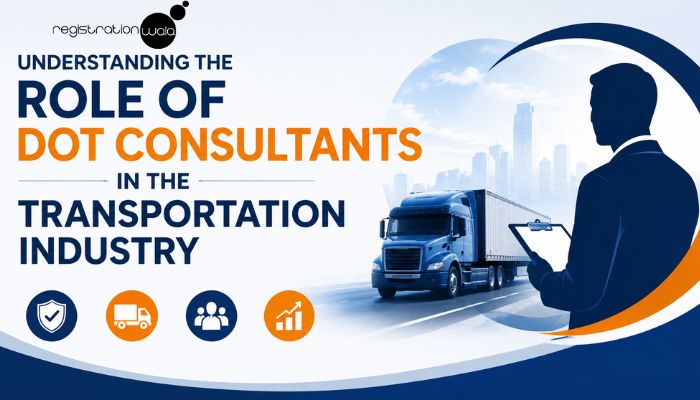
Understanding the Role of DOT Consultants in the Transportation Industry
The transportation sector is the backbone of the global economy, moving goods and passengers across vast distances. However, this industry is also one of the most heavily regulated in the United States. Navigating the labyrinth of the Department of Transportation (DOT) and Federal Motor Carrier Safety Administration (FMCSA) requirements can be a daunting task for even the most seasoned fleet owners. That's where DOT consultants step in as essential partners to ensure safety, legality, and operational efficiency.
What is a DOT Consultant?
A DOT consultant is a specialized expert who provides professional guidance to motor carriers and transportation companies. Their primary mission is to help businesses navigate federal and state regulations, ensuring they remain fully compliant with the law. These professionals often come from backgrounds in law enforcement, safety management, or high-level logistics, bringing a wealth of firsthand experience to the table.
In 2026, the role of a DOT consultant has evolved beyond simple paperwork. Today, they are strategic advisors who integrate modern technology with regulatory prowess to protect a company’s CSA (Compliance, Safety, Accountability) scores and overall reputation.
The Core Responsibilities of DOT Consultants
To understand the value of these experts, one must look at the specific functions they perform. Their work is multifaceted, covering everything from initial business registration to the defense of a company during a federal audit.
1. Compliance Management and Monitoring
The most fundamental role of a DOT consultant is to maintain a company’s "legal health." This involves managing the USDOT number registration, filing MCS-150 updates every two years, and ensuring all state-specific permits (like IFTA or UCR) are current. They act as an early warning system, alerting carriers to upcoming renewals or changes in federal law before they become liabilities.
2. Audit Preparation and Representation
Perhaps the most stressful event for a transportation company is a DOT Compliance Review (an audit). A consultant prepares the business by conducting "mock audits" to identify gaps in documentation. If a real audit occurs, the consultant often acts as the primary liaison between the carrier and the federal investigator, ensuring that the company’s records are presented accurately and professionally.
3. Driver Qualification File Management
Every commercial driver must have a comprehensive Driver Qualification (DQ) file. Consultants ensure these files contain all required documents, including:
- Three years of employment history.
- Annual Motor Vehicle Records (MVRs).
- Current DOT Medical Examiner certificates.
- Pre-employment drug test results.
4. Safety Program Development
Beyond just checking boxes, consultants help build a "culture of safety." They develop customized safety manuals and standard operating procedures (SOPs) that dictate how drivers should handle inspections, cargo securement, and emergencies.
Why Transportation Businesses Need DOT Consulting
Small to mid-sized carriers often try to handle compliance internally to save money. However, the complexity of modern regulations, such as the Electronic Logging Device (ELD) mandate and the Drug and Alcohol Clearinghouse, often leads to unintentional errors.
Risk Mitigation and Cost Savings
The financial consequences of non-compliance are steep. In 2024 and 2025, DOT fines for serious violations reached into the tens of thousands of dollars. A consultant helps avoid these fines, but more importantly, they help prevent accidents. By ensuring vehicles are maintained and drivers are qualified, consultants significantly reduce the risk of nuclear lawsuits and skyrocketing insurance premiums.
Protecting Your CSA Score
The FMCSA uses the Safety Measurement System (SMS) to rank carriers based on their safety performance. A "bad" score can lead to increased roadside inspections, loss of major contracts, and higher insurance rates. DOT consultants analyze a carrier's data in the SMS and file DataQs challenges to remove incorrect violations from the company's record, effectively protecting the business's bottom line.
Integrating Technology: The 2026 Standard
In the current landscape, DOT consultants are increasingly focused on the digital side of compliance. They help fleets select and implement Transportation Management Systems (TMS) and telematics that automatically track Hours of Service (HOS).
Modern consultants specialize in:
- API Integrations: Connecting ELD data directly to maintenance logs.
- Digital Recordkeeping: Moving away from paper files to secure, searchable cloud-based repositories that make audits significantly faster.
- Predictive Analytics: Using historical safety data to predict which drivers are at higher risk for a violation or accident.
Final Thoughts on Professional Compliance
The transportation industry is moving toward a future defined by stricter enforcement and higher technological requirements. Operating without professional guidance is no longer just a risk; it is a competitive disadvantage.
A DOT consultant does more than just fill out forms; they provide the peace of mind that allows fleet owners to focus on their core mission: delivering goods safely and on time. By investing in professional compliance, transportation businesses ensure their longevity in an increasingly scrutinized market.
Frequently Asked Questions
Q. How much does a DOT consultant typically cost?
A. Costs vary based on the size of the fleet and the scope of services. Some consultants charge a monthly retainer for ongoing monitoring, while others offer project-based pricing for audit preparation or new business setup.
Q. Can a DOT consultant help with state-level regulations?
A. Yes. While "DOT" refers to the federal department, consultants are also experts in state-specific requirements, such as the California Air Resources Board (CARB) regulations or Oregon Weight-Mile tax filings.
Q. How often should I meet with my consultant?
A. For active fleets, a monthly review of safety scores and driver files is recommended. At a minimum, a comprehensive safety audit should be performed once a year to ensure no new regulatory changes have been missed.